The Enchanter: Nabokov and Happiness
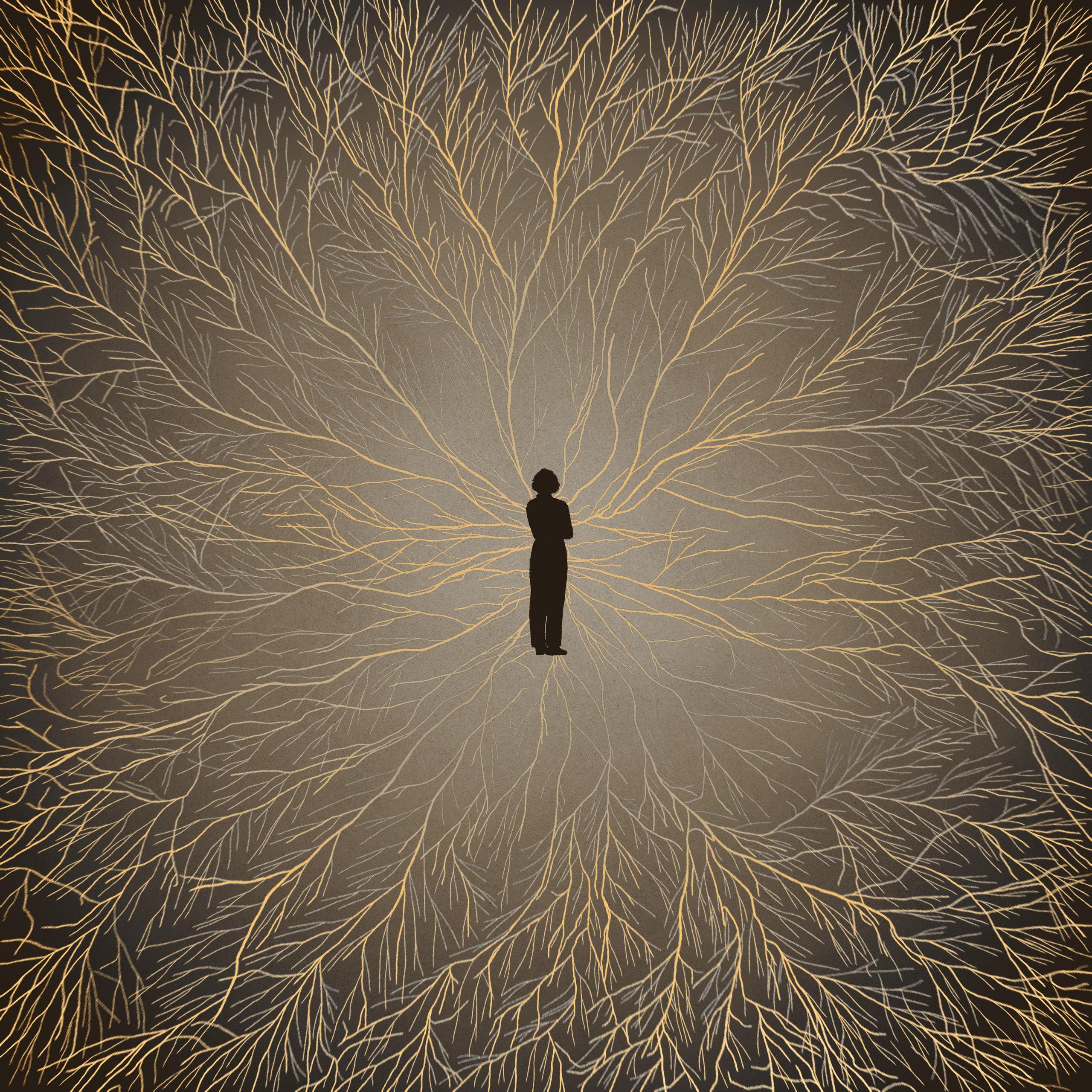
In The Enchanter, author Lila Azam Zanganeh delves into Vladimir Nabokov's perception of happiness through an introspective and intertextual examination that challenges the boundaries between autobiography, biography, and fiction. This piece revisits Nabokov's happiness rendered in exuberant prose, expounding upon Zanganeh's argument that joy is found in the recursive act of reading and rereading.
Lila Azam Zanganeh's Narrative Technique
The author's use of second-person narrative, non-linear chronology, and shifting tenses invites readers into a quasi-autobiographical journey interspersed with personal reflections. Encounters with Nabokov's characters are as imaginative as they are personal, prompting a unique Alice in Wonderland-like experience.
Blurring the Lines of Literary Forms
Zanganeh’s idiosyncratic approach exemplifies how the overlapping of life narratives and fictional elements mirrors the multifaceted nature of memory itself. Through this lens, the reader is encouraged to reimagine both Nabokov’s oeuvre and Zanganeh’s own textual self within the realms of fiction and reality.
The Pleasure of Rereading

Honoring Nabokov’s own sentiments on the indispensability of rereading, Zanganeh advocates for a reader’s iterative return to a text for fresh insights. The joy of this process is foregrounded not just as it pertains to Nabokov's work but also as it applies to her own narrative endeavors.
Didacticism and Reader Engagement
Zanganeh's composition includes a didactic edge, yet her instructive guidance aims to optimize the reader's experience and appreciation of the interplay between wordplay and meaning, thereby enriching the engagement with both Nabokov's and her own text.
Escaping the "Anxiety of Influence"
Throughout the text, Zanganeh is acutely aware of the "Anxiety of Influence," yet her method of direct address and literary playfulness ushers readers into a collaborative exploration of influence and creativity. It’s a celebration and reclamation of the intertextual dialogue with her predecessor.
The Dilemma of Intimacy and Privacy

Zanganeh deftly walks the fine line between an intrusive look into a novelist's intimate life and a respectful appreciation for their craft. She does so by weaving fragments of fantasy and fact, acknowledging the constructed nature of memory and autobiography.
Conclusion: The Invitation to Reenchantment
In her novel, The Enchanter, Zanganeh extends a veiled invitation to readers: to embrace the retrospective magic of rereading, to find joy in the layers of literature, and ultimately, to reenchant the world through the lens of Nabokov's literary construct.
Traveling Through Text: A Journey Beyond Pages
The act of reading, particularly in Zanganeh's context, can be equated to traveling through myriad landscapes of human emotion and experience. It's an intellectual voyage that transports the reader beyond physical boundaries, and in this odyssey, Nabokovah’s cosmopolitan heritage shines through as both the path and destination in the quest for happiness.