An Exploration of Beckett's Early Career
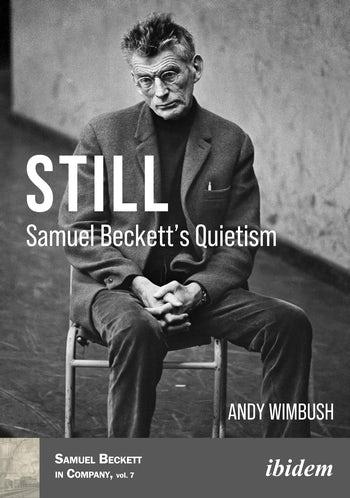
Samuel Beckett, a towering figure in 20th-century literature, began his literary journey deeply embedded in the modernist movement of the 1930s. This period saw him grappling with establishing a distinct voice amidst the influences of his contemporaries and predecessors. Though initially overshadowed by writers like James Joyce, with whom he had a close association, Beckett's early works were marked by an intense search for a unique literary style.
The 1930s: A Period of Experimentation and Growth
During the 1930s, Beckett embarked on a transformative phase of his career. It was in this decade that he produced a number of essays and works which hinted at the spare, minimalist style he would later perfect. This era was characterized by Beckett's rigorous experimentation with language and form, a process that would eventually culminate in the stark, stripped-back prose and theatrical elements for which he is best known.
The Intersection of Physics and Poetics

Beckett's interest in the physical sciences, particularly physics, played a unique role in shaping his narrative structures and use of time within his literature. His approach to poetics—the art of poetic composition—was heavily tied to his understanding of quantum mechanics and his fascination with the fragmentation and reconstruction of the known world, mirroring the disruption of conventional narrative structures within his writing.
Beckett's Maturation into Minimalism
As Beckett transitioned from his endeavors in the 1930s into the subsequent decades, his style continued to evolve in both his prose and his work in theatre. Striving for what he deemed an "impoverishment" in language, he aimed to convey the complexities of human experience with the most economical means. This mature poetics is exemplified in his magnum opus, "Waiting for Godot," where the bare setting and repetitive dialogue create a potent commentary on the human condition.
The Lasting Impact of Beckett's Style and Poetics

Beckett's development of his own writing style and mature poetics has held a lasting influence on the literary landscape. His distinct voice, characterized by brevity and precision, continues to be studied and revered. The minimalist approach he mastered resonates through the works of countless writers and playwrights who have followed in his footsteps, seeking to express the inexpressible through a less-is-more philosophy.
The Journey Continues: Beckett and the Art of Travel
In many ways, the evolution of Beckett's writing mirrors the transformative nature of travel—a journey that continually moves toward new horizons and perspectives. The physical and existential journeys of Beckett's characters often reflect the internal odyssey of the author himself, as he traversed the landscape of literary arts. Travelers, much like Beckett, discover the power of nuance and the profound influence of each step in shaping their understanding of both self and world.