
Walt Whitman was a paradoxical figure, a (purportedly heterosexual) father of American poetry and also a progenitor of an emerging homosexual tradition. His work has led to a critical history fixated on negating a homosexual presence in literary standards. Yet, Whitman fought to preserve his poetic voice, creating a distinct language of male-male love that stood apart from heterosexual literary norms.
The Paradox of Walt Whitman and the Emergence of a Homosexual Literary Tradition
Despite attempts to constrain Whitman to a strictly heterosexual narrative, his writings pushed against the boundaries of typical discourse and claimed a sovereign, albeit clandestine, space for homosexual poetics. This push against the grain is embodied by poets such as Hart Crane and Allen Ginsberg, who claimed Whitman as one of their own, thus establishing the inheritance of a homosexual lineage within the broader panorama of American poetry.
Linguistic Construction of Sexuality in Whitman's Poetry
Understanding the importance of language in shaping sexual identity, Whitman’s poems fervently searched for expressions that resonated with a truth unacknowledged by society. In his work, especially in Song of Myself, he used 'adhesiveness' as a term to illuminate same-sex love, distinct from its contemporary understanding, and reinforced the narrative of ‘the love that dare not speak its name’.
Encrypted Desires: Concealment and Revelation in Hart Crane’s Homoerotic Imagery
As a literary descendant, Hart Crane inherited Whitman's language of encoded sensitivities, struggling to find a poetic form that would harbor his truths without betraying his vulnerability. His metaphors whispered of an underlying homoerotic experience but simultaneously shrouded it in ambiguity due to the threat of disclosure.
Allen Ginsberg and the Bold Expression of Homosexual Poetics
A figure of candidness and social challenge, Ginsberg broke through the linguistic constraints that once made Whitman and Crane veil their passions. His work, especially in Howl, faced obscenity charges, which paradoxically confirmed its societal value and marked a significant triumph for homosexual discourse within the American lexis.
The Visionary Poetics of Adhesive Love and Democracy
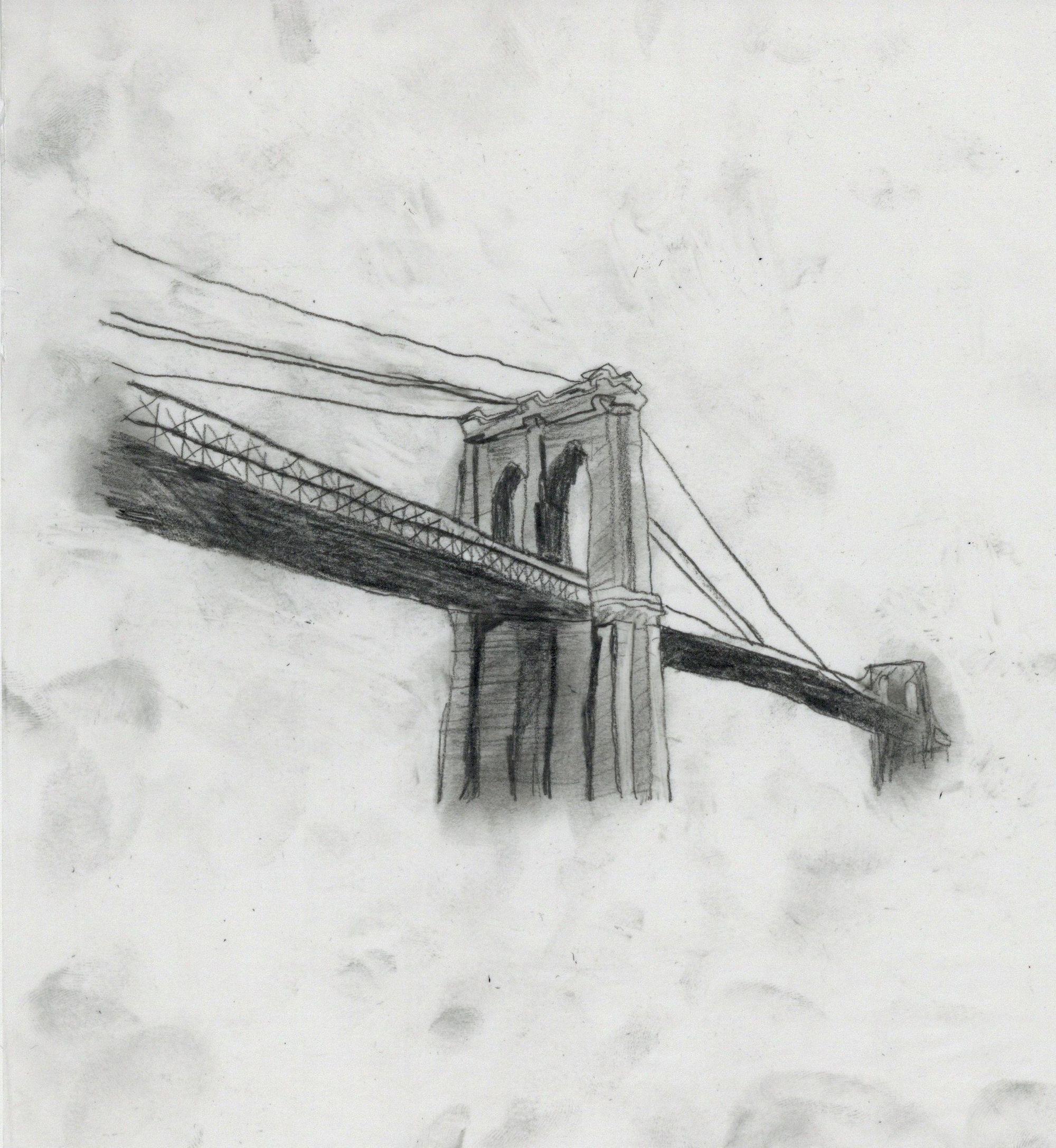
The common thread uniting Whitman, Crane, and Ginsberg is the utopian vision underpinning their works. Whitman, with his all-encompassing, democratic embrace, Crane's search for celestial transcendence, and Ginsberg’s vocalization for sociopolitical renewal, all present a panorama where passion and poetry are intrinsically linked to the American democratic ethos.
Traversing the Waters of Prohibitive Expressions: Queer Textuality and the Art of Encoding
Whitman’s use of heteronormative tropes masked explicit sexuality, which poets like Crane understood and subtly represented in their work. This symbiotic literary dance between clarity and insinuation became the signature move of a tradition that dared not yet name itself but found solace in shared recognition.
Homoeroticism in Whitman's Leaves of Grass
Intriguingly, Whitman’s verses, such as the bathing scenes in Song of Myself, allow for both hetero- and homosexual interpretations, thereby showcasing his artistic mastery of utilizing entrenched tropes to encode more explicit sexual connotations.
The Intertwining of Homosexuality and Utopian Discourses

Crane and Ginsberg, each in their respective historical moments, grapple with the rigid characterization of ‘America’ and ‘homosexuality’. Each poet's struggle evinces the disconnect between their homosexual poetics and society's restrictive, prescriptive narratives of acceptable American aspirations.
Towards a Liberated Future: Political Poetics and Sexual Expression
For Whitman and Ginsberg, homosexual love is not just a personal truth but a transformative ideal capable of fundamentally recalibrating the American dream. Through their poetic and political praxis, they envisioned an America rejuvenated by the virtues of liberty, egalitarianism, and unfettered companionship.
Inheriting and Continuing a Poet's Vision of Comradeship
The work of Whitman serves not just as a conduit for homosexual poetics but also as a magnetic pole for poets to rally around, embodying a camaraderie that extends beyond the personal to the public, the political, and even the prophetic. Ginsberg's poignant references to Whitman capture the fulfilling yet challenging nature of carrying forth a tradition laden both with subconscious yearning and political resistance.
The travelling soul in the pursuit of knowledge, in Whitkins's footsteps, readily sees the interconnected web woven by these poets through the textuality of their work. Passages of ecstasy and wisdom in their verses guide us, like the intimate whispers of a friend, through the vast lands and waters of human understanding and fellowship. True to the spirit of their works, we are reminded that every journey through poetry is also a journey into the depth of the human experience, merging the art of writing with the everlasting exploration of shared existence.