The Power of Language in Global Connectivity
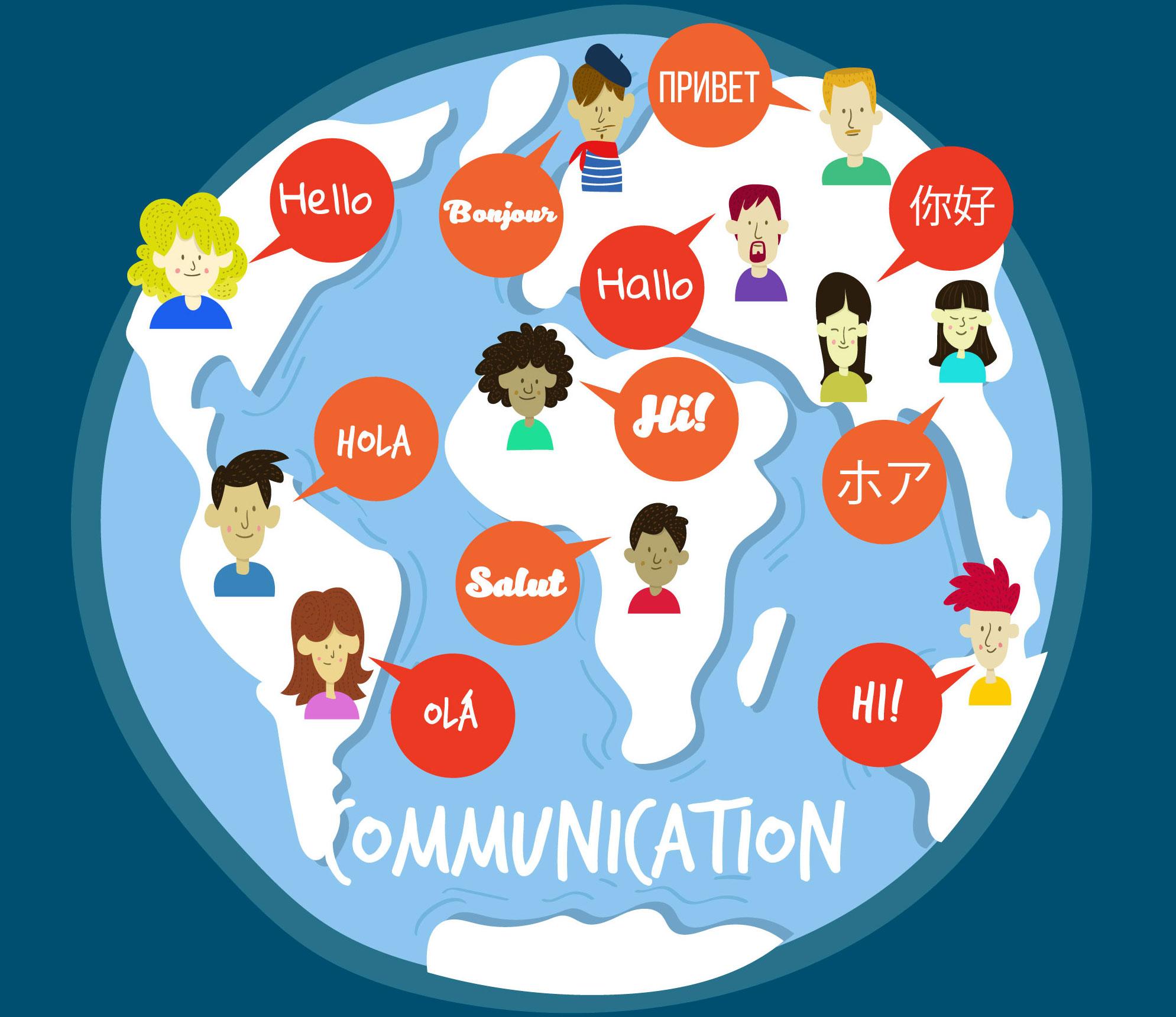
In an increasingly interconnected world, the ability to communicate in multiple languages stands as a cornerstone of global understanding and cooperation. Multilingual education not only bridges cultural divides but also enhances career prospects and personal growth.
Overcoming Language Barriers Through Education
To transcend language barriers, educational institutions are advocating for comprehensive language programs that cater to students of all ages and skill levels. This approach to learning enables individuals to participate more fully in the global community.
Benefits of Multilingual Learning Environments
Embracing multilingualism in educational settings fosters an inclusive atmosphere that appreciates diversity and promotes cultural awareness. Students equipped with multiple language skills are better positioned to navigate the nuances of international relations and business.
Innovative Language Training Strategies

Modern language learning has advanced beyond traditional textbooks. Interactive digital platforms and real-world immersion experiences are revolutionizing the way we learn languages, making education both accessible and engaging.
Role of Technology in Language Education
The integration of technology in language learning presents a dynamic and flexible approach that accommodates various learning styles. Through virtual connections, students can practice languages with native speakers across the globe, significantly enhancing their proficiency and cultural understanding.
Navigating the Global Marketplace with Multiple Languages
Knowledge of multiple languages has become a valuable asset in the global marketplace. It enables individuals to access wider career opportunities and establishes a competitive edge in industries such as trade, diplomacy, and international law.
Language Proficiency as a Career Booster

Proficiency in several languages can dramatically boost an individual’s employability, especially within sectors that operate on an international scale. Multilingual individuals are often sought after for their ability to communicate and negotiate across cultures.
Language Education Shaping Travel and Hospitality
The travel and hospitality industries are inherently linked to language and communication. As the world opens its doors to global tourists, the demand for multilingual professionals within these sectors is surging. Fluent communication is not only pivotal for quality service but also for ensuring memorable and hassle-free experiences for travelers.
Expanding Horizons with Language Skills
Language learning empowers individuals to explore new places with confidence and curate experiences that resonate with diverse audiences. Hotels and travel agencies are recognizing the importance of language diversity to cater to a broader clientele, ensuring guests feel welcomed and appreciated, regardless of their native tongue.
Conclusion: The Symbiosis of Language and Travel
In conclusion, as we embrace a world of global interaction, the synchronization of multilingual education, travel, and hospitality generates a synergistic effect, enriching experiences both for professionals within these sectors and for travelers. The language skills honed through education pave the way for nuanced intercultural exchanges, ensuring that the world remains a place of discovery and mutual understanding.